
Capabilities
Turbomachinery development from a single source
Design, bearings and drives, combustion, heat transfer and series production planning: at ClinX Energy Systems, the entire chain for small high-speed turbomachines lies within one team. You can commission us for individual tasks or for the complete development.
01 · Design and simulation
Design and simulation of turbomachinery
We design micro gas turbines, compressors, turbines and rotors with our own tools: from the thermodynamic cycle through aerodynamics and rotor dynamics to structural strength.
In small turbomachines, the compressor, turbine, bearings, generator and cooling influence each other. That is why we calculate the whole system together and check every assumption against measured data from our test benches.
What we do
- Thermodynamic cycle and performance calculation
- Compressor and turbine aerodynamics
- Rotor dynamics with Campbell diagram
- Flow (CFD) and structural analysis (FEM)
- Thermal management and secondary air system
- Tolerance chains and manufacturing sequence

02 · Foil bearings
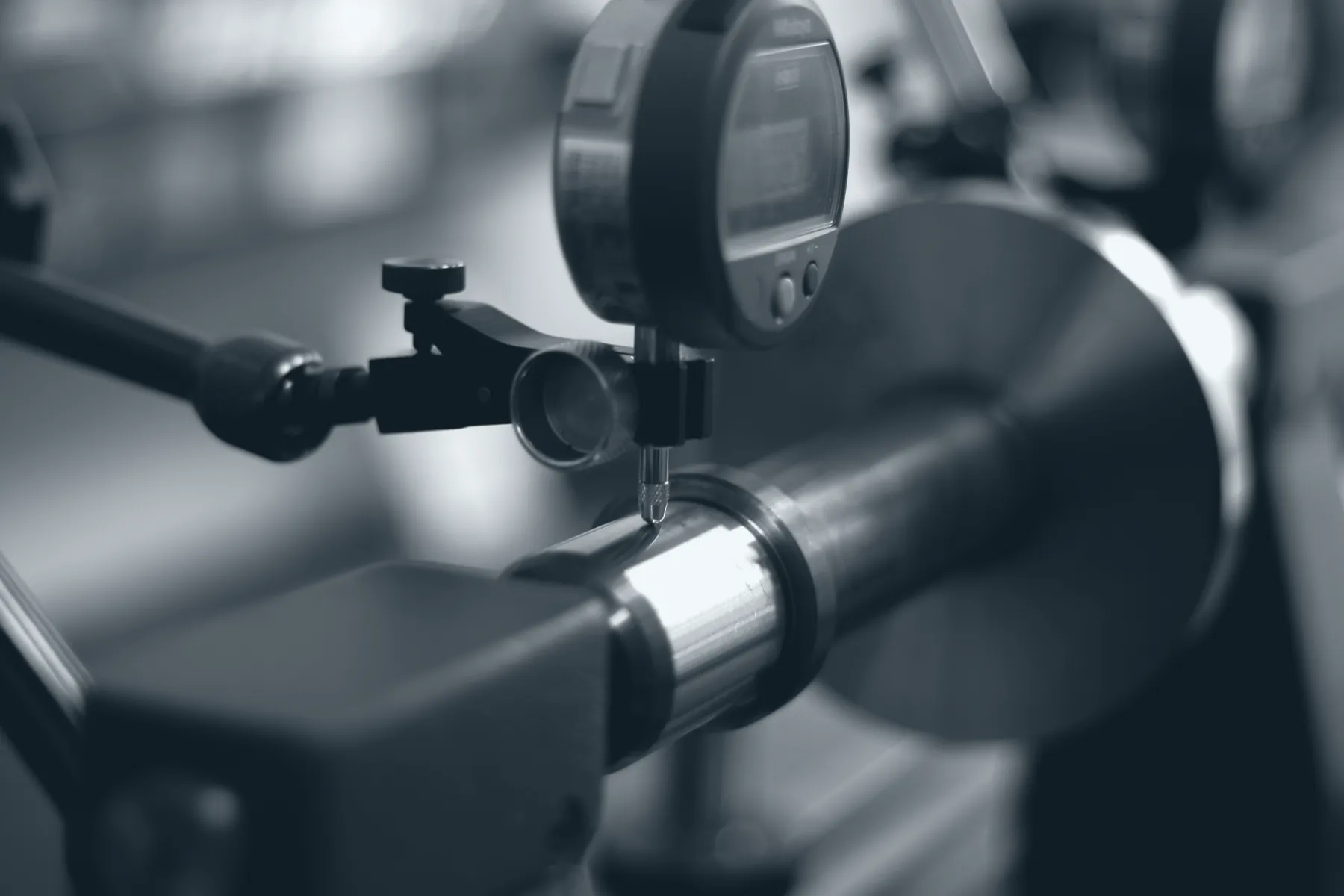
Foil bearings for high-speed turbomachinery
A foil bearing supports the shaft on a thin air film. It needs neither oil nor coolant and runs where rolling bearings reach their limits.
When the shaft is at rest, it lies on the top foil. Above the lift-off speed, it floats on an air film just a few micrometres thick. The corrugated bump foil underneath gives the bearing stiffness and damps vibrations. We define the stiffness and damping of the bearing anew for each machine.
How a bearing is made
- Loads: rotor mass, speed, unbalance, environment
- Load capacity: diameter and length with our own tools
- Dynamics: stiffness, damping, rotor dynamics
- Cooling: designed within the secondary air system
- Manufacturing: foils in-house, housings by qualified partners
- Testing: bearing test bench and acceptance run before delivery
0 ml oil
no lubricant or coolant in the foil bearing
100,000 rpm
Speed for which we design foil bearings and generators
in-house
Bearing foils: machining, heat treatment, coating
3
our own bearing test benches: lift-off, airborne, acceptance run
03 · High-speed generator
High-speed generator and power electronics
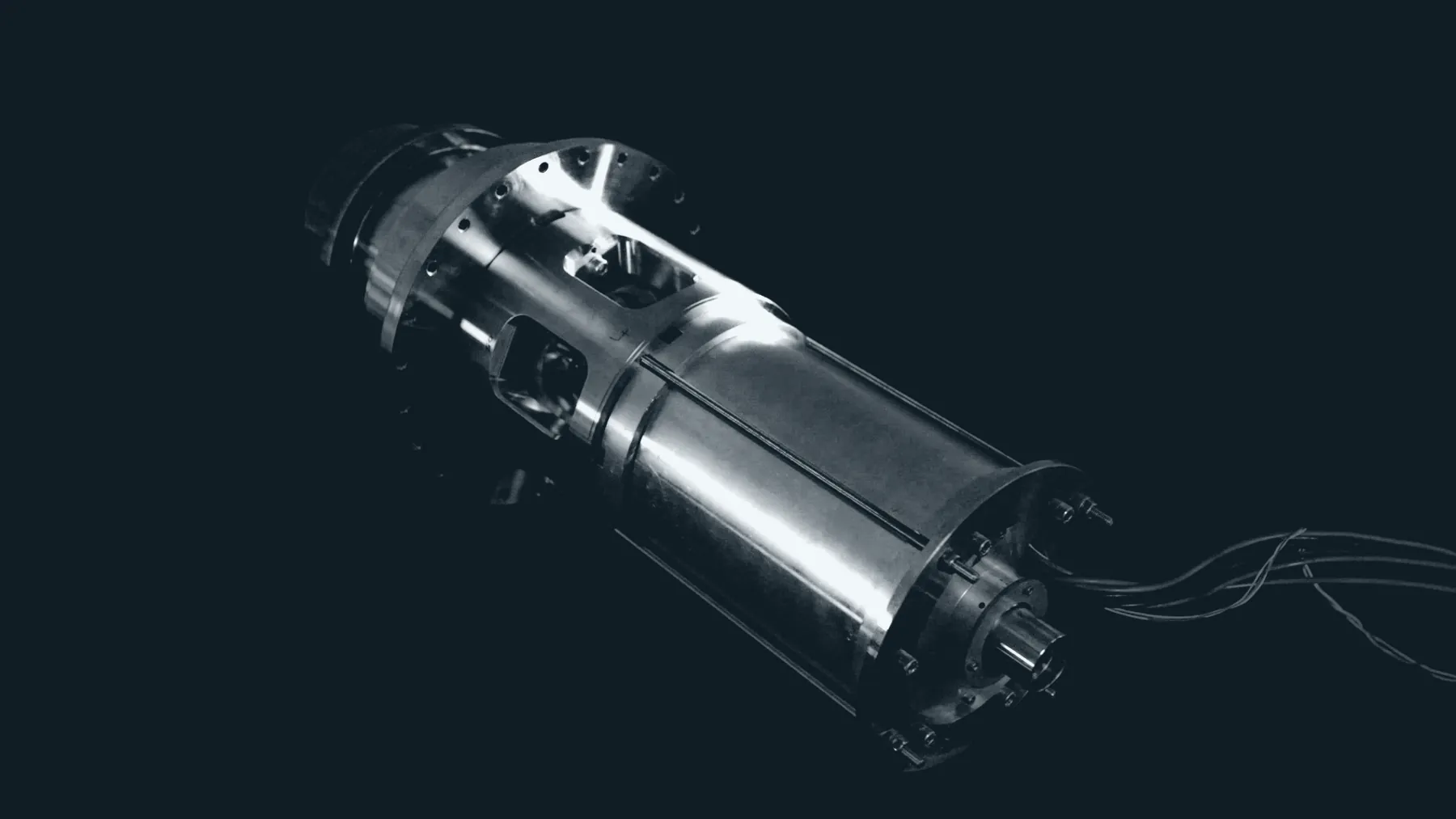
A high-speed generator sits directly on the turbine shaft, with no gearbox at all. Permanent magnet generators for speeds up to 100,000 rpm make the turbo unit compact and light.
We design the generator, inverter and control unit together. The power electronics convert the high-frequency current into grid-compatible current and control start-up, load and shutdown, in both island and grid-parallel operation.
What we do
- Basic design and parameterisation of the generator
- Bearings and cooling
- Inverter and control unit (ECU)
- Island and grid-parallel operation
- Testing under load on our test bench
04 · Combustors and hydrogen
Combustors for hydrogen and special fuels
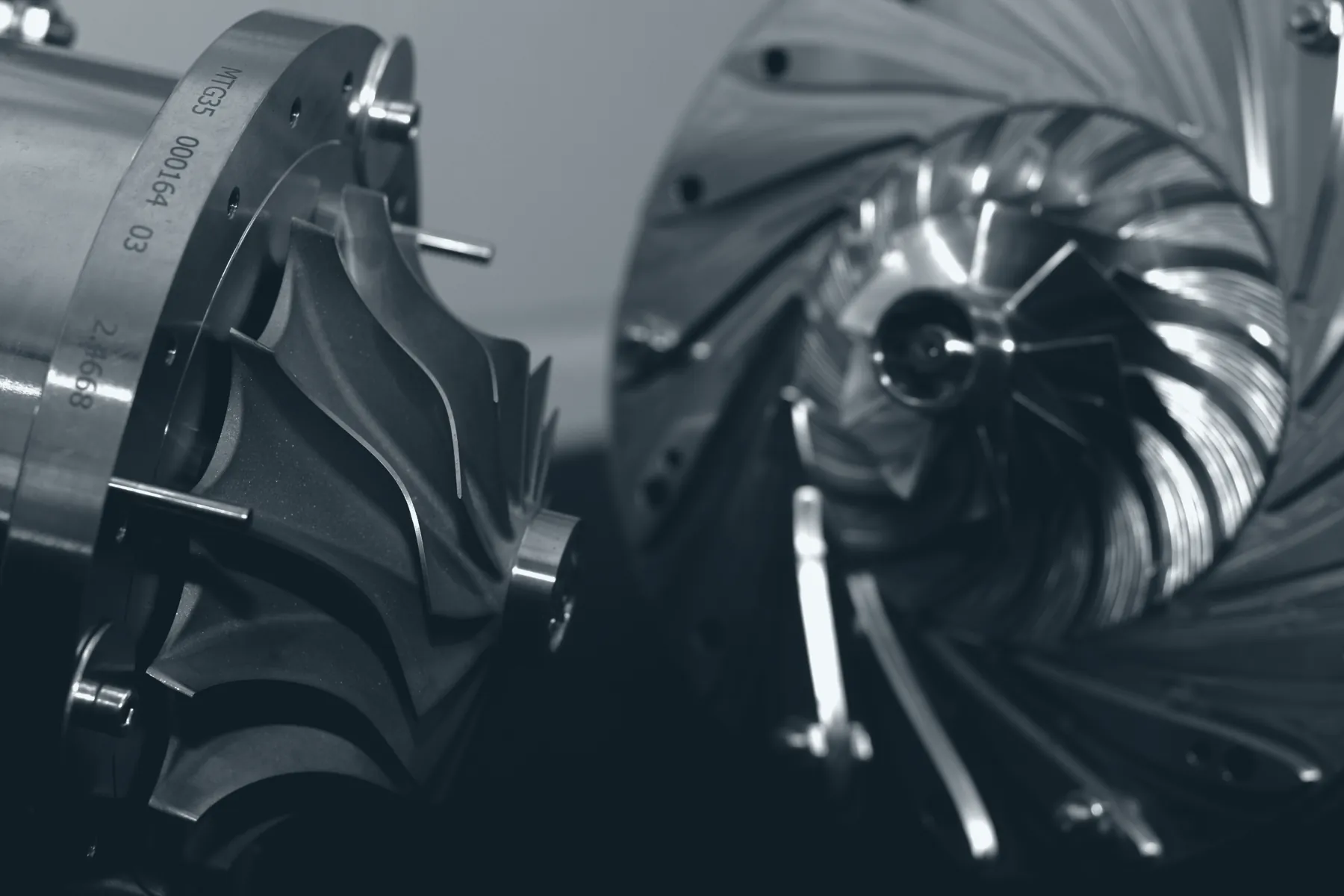
We develop combustors for small gas turbines that can handle more than natural gas: hydrogen, low-calorific gas, fusel oil and dusts. Hydrogen burns faster and hotter than natural gas, whereas low-calorific gases and dusts burn sluggishly and unevenly. The combustor has to match.
Additively manufactured burners save considerable weight and allow cooling and mixing geometries that cannot be produced any other way. Testing ranges from a single burner to the complete combustor on our combustion test bench.
What we do
- Fuel analysis and concept
- Design with CFD
- Additively manufactured burners
- Tests from single burner to complete combustor
- Measurement report with emissions and temperatures
05 · Heat exchangers
High-temperature heat exchangers
We design heat exchangers for high temperatures and support them through to manufacturing. The basis is always an analysis of the entire process, so that heat exchanger, turbine and fuel are matched to one another.
High temperatures, large temperature differences and changing loads put stress on materials and joints. Using flow and structural calculations, we find the best compromise between heat transfer, pressure loss, size and service life.
What we do
- Process analysis and concept
- Thermal and fluid-dynamic design
- Structural strength and service life
- Detailed design and manufacturing support
- Testing in the overall system
06 · Series production
Planning series production for micro gas turbines
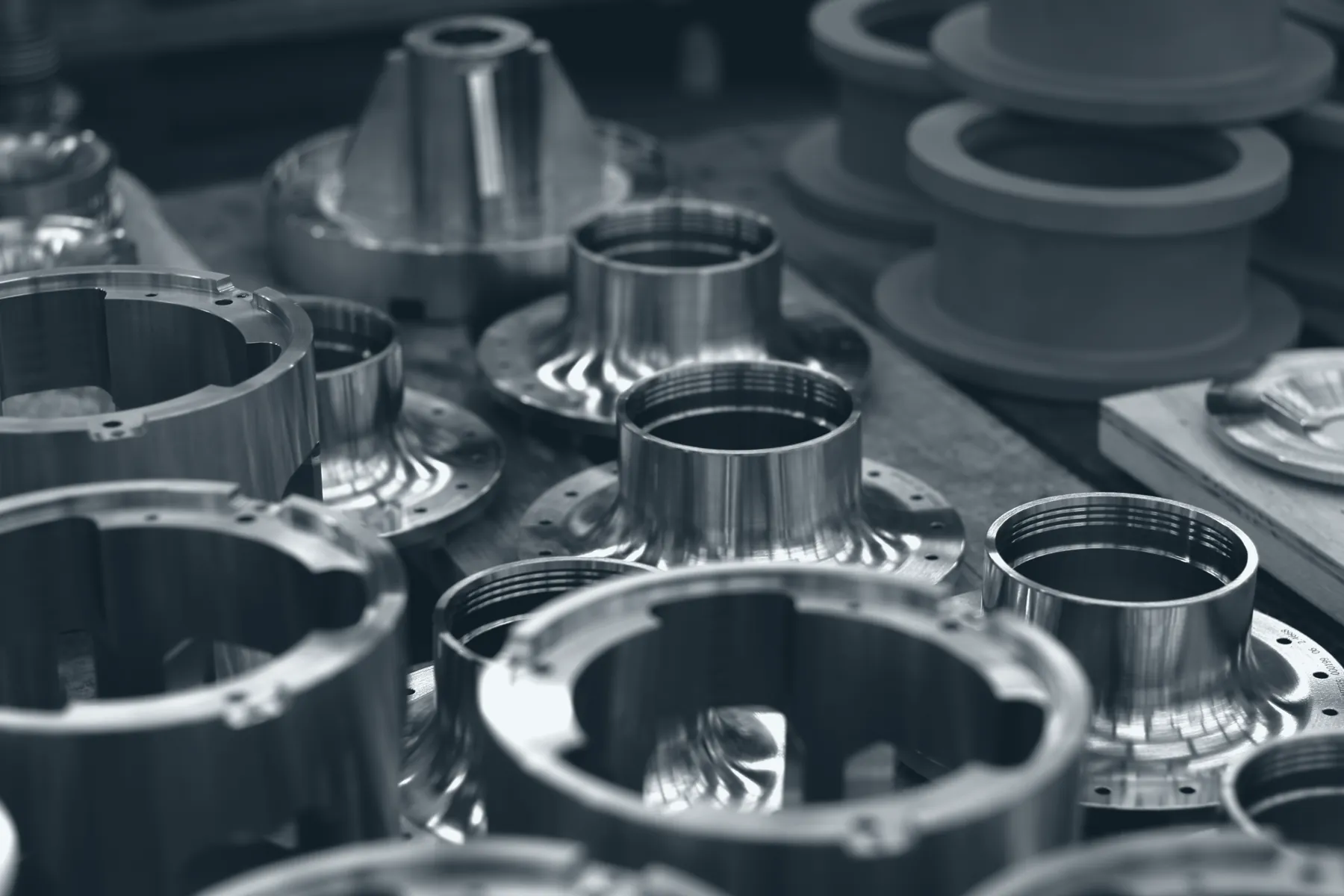
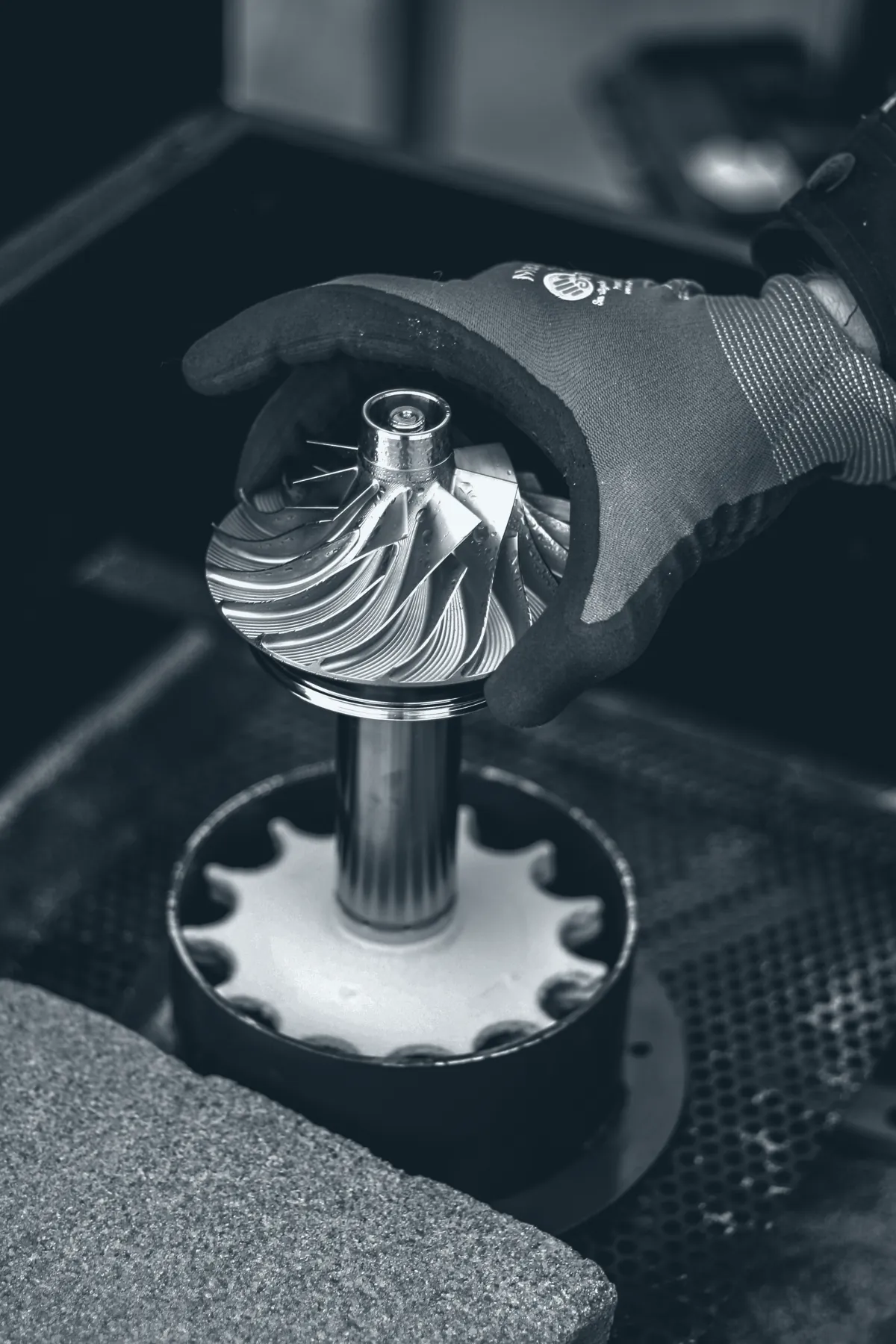
A prototype is running on the test bench, and now the machine is to be built in quantity. We plan series production for micro gas turbines and comparable turbomachines and support it through to production ramp-up.
To do this, we adapt the design to manufacturing and assembly, plan the assembly sequence, cycle time and fixtures, and design test stations on which every machine is tested at the end of the line. We select manufacturing partners together with you and qualify them.
What we do
- Design for manufacturing and assembly
- Assembly concept, cycle timing and fixtures
- Tolerance management and inspection plans
- End-of-line test stations
- Selection and qualification of manufacturing partners
- Support for pilot series and production ramp-up
All together
Our micro gas turbines
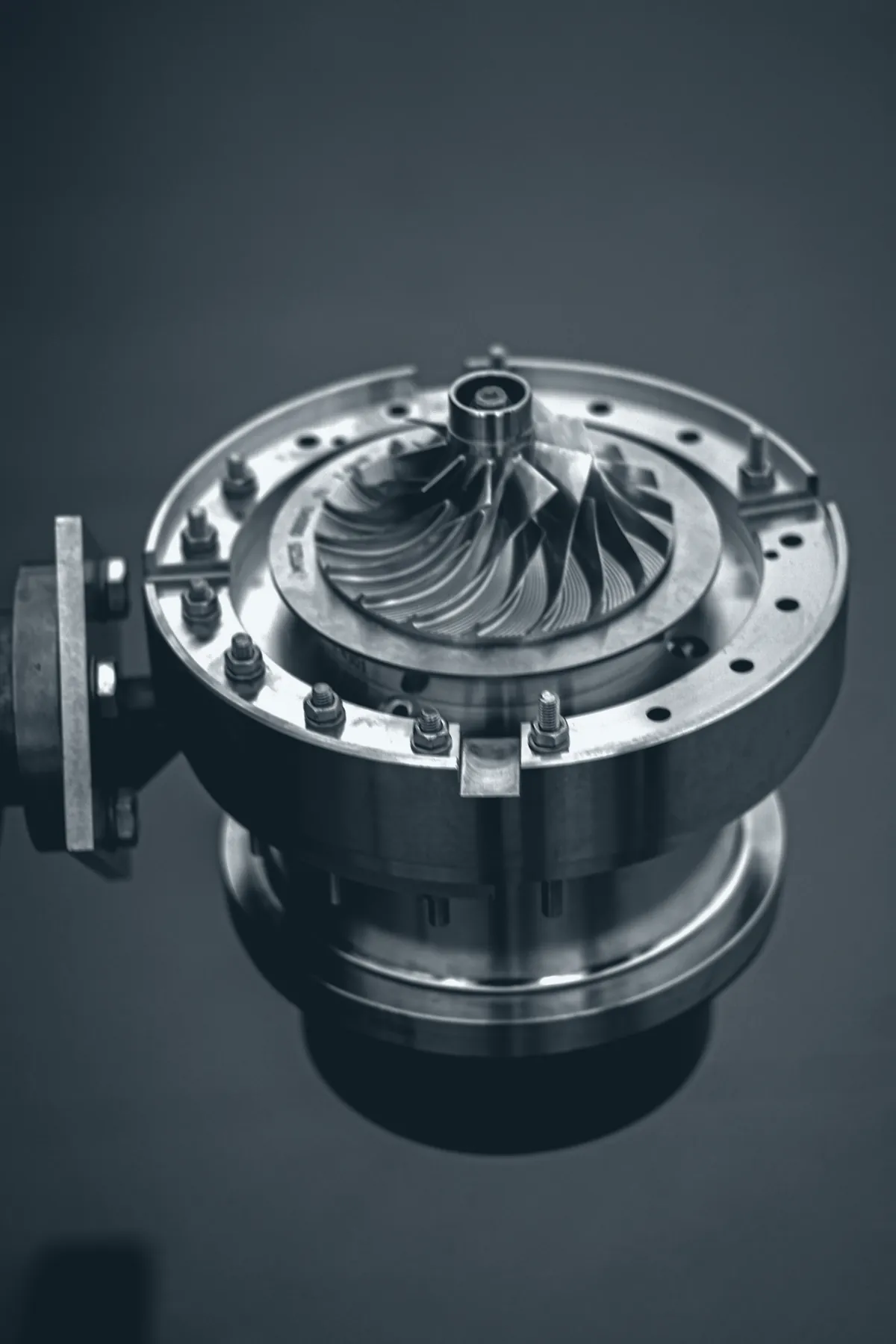
In a micro gas turbine, all capabilities interlock. Take an X-ray view inside our Powerhead, spin it up and take it apart into its components.
Questions about our capabilities
Which fuels can your combustors burn?
Depending on the design: natural gas, hydrogen, low-calorific and ultra-low-calorific gases, LNG and LPG, special liquid fuels such as fusel oils, and dusts. Multi-fuel burners can switch between fuels during operation.
What is the difference between a foil bearing and an air bearing?
Foil bearings are a type of air bearing. They generate the air film themselves through the rotation of the shaft (aerodynamic). Aerostatic air bearings, such as those in machine tools, require compressed air from an external source instead.
What happens when a foil bearing starts up and shuts down?
Until the lift-off speed is reached, the shaft briefly runs on the top foil. A friction-reducing coating protects the foil and shaft during this phase.
Where are foil bearings used?
Wherever shafts rotate very fast and no oil may enter the process: in micro gas turbines, turbogenerators, compressors and fuel cell air supply systems.
Do you also make foil bearings for third-party machines?
Contact us with your loads and speeds. We check whether a foil bearing is suitable and design it for your machine.

Tell us about your machine.
Requirements specification, sketch or just an idea: we will get back to you with an initial technical assessment.
+49 355 8695 9890
service@clinx-energy-systems.com